How to Make A Luggage?The polycarbonate (PC) or ABS sheet extrusion process for travel luggage involves melting raw plastic pellets to create flat sheets, which are then shaped into suitcase shells using a technique like vacuum or thermoforming.
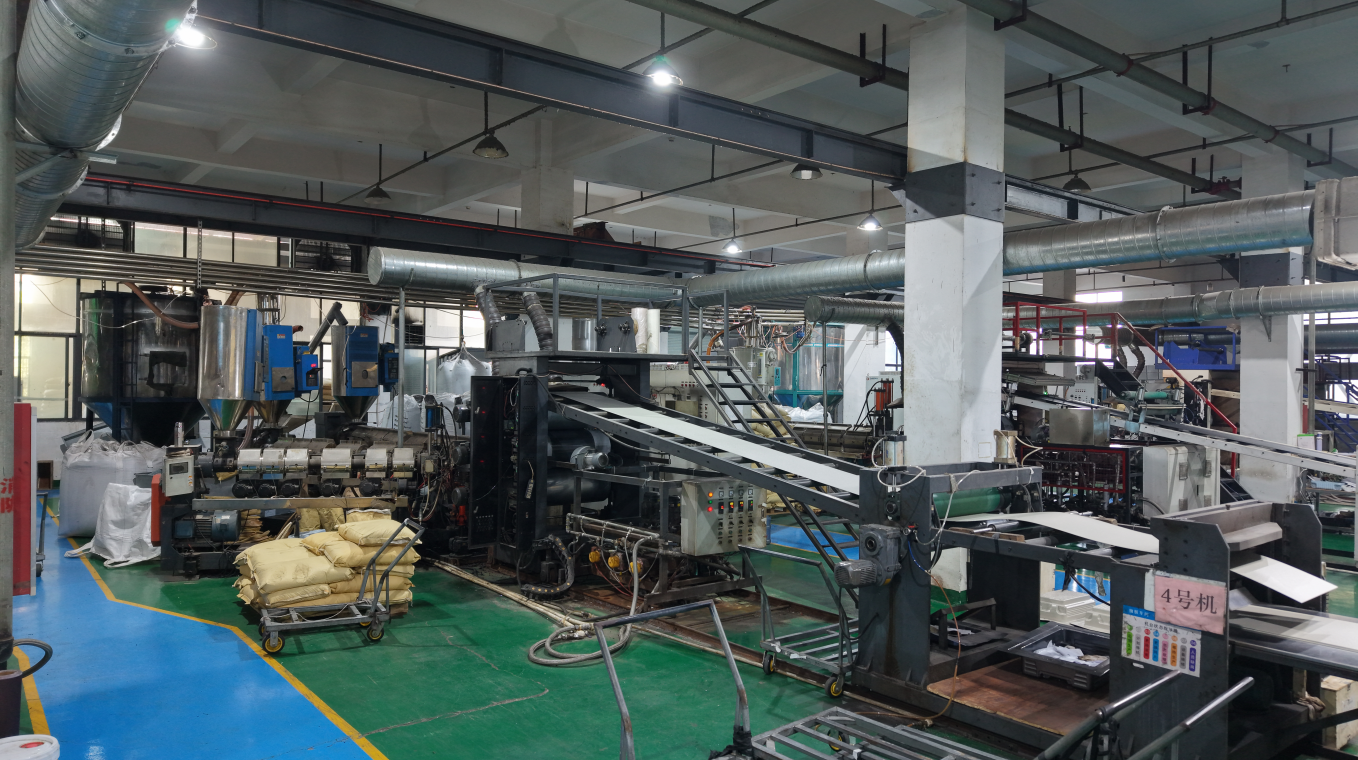
1. Sheet Extrusion:
The process transforms raw polycarbonate resin into durable luggage shells through a series of integrated manufacturing steps:
Material Preparation: Raw PC (or an ABS/PC blend) material, typically in pellet form, is loaded into a hopper. Additives can be mixed in at this stage to enhance properties like UV resistance, color, or anti-scratch capabilities.
Melting and Extrusion: The pellets are fed into a heated extruder barrel containing a rotating screw. The combination of heat and friction melts the plastic into a uniform, pliable molten material. This molten plastic is then forced through a flat die to shape it into a continuous, flat sheet.
Cooling and Calendering: The hot sheet immediately passes through a series of cooling rollers (a three-roll calender). These rollers cool the material quickly to solidify its shape and help determine the final thickness and desired surface texture (e.g., glossy or embossed).
 2. Thermoforming
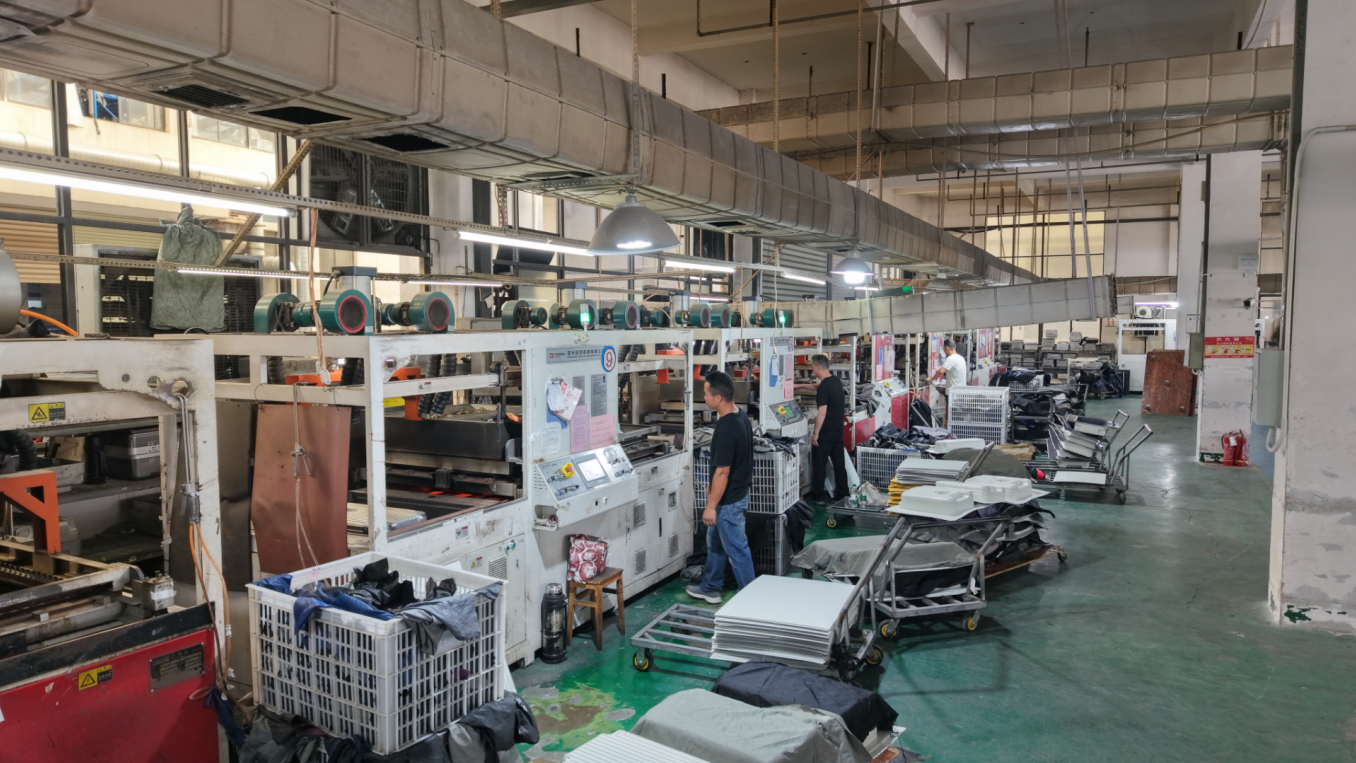
(Shaping the Shell): The flat PC sheets are transferred to another machine where they are reheated until soft and pliable. A vacuum is used to pull the softened sheet tightly over a custom aluminum mold, shaping it into the distinct front or back half-shell of the suitcase.
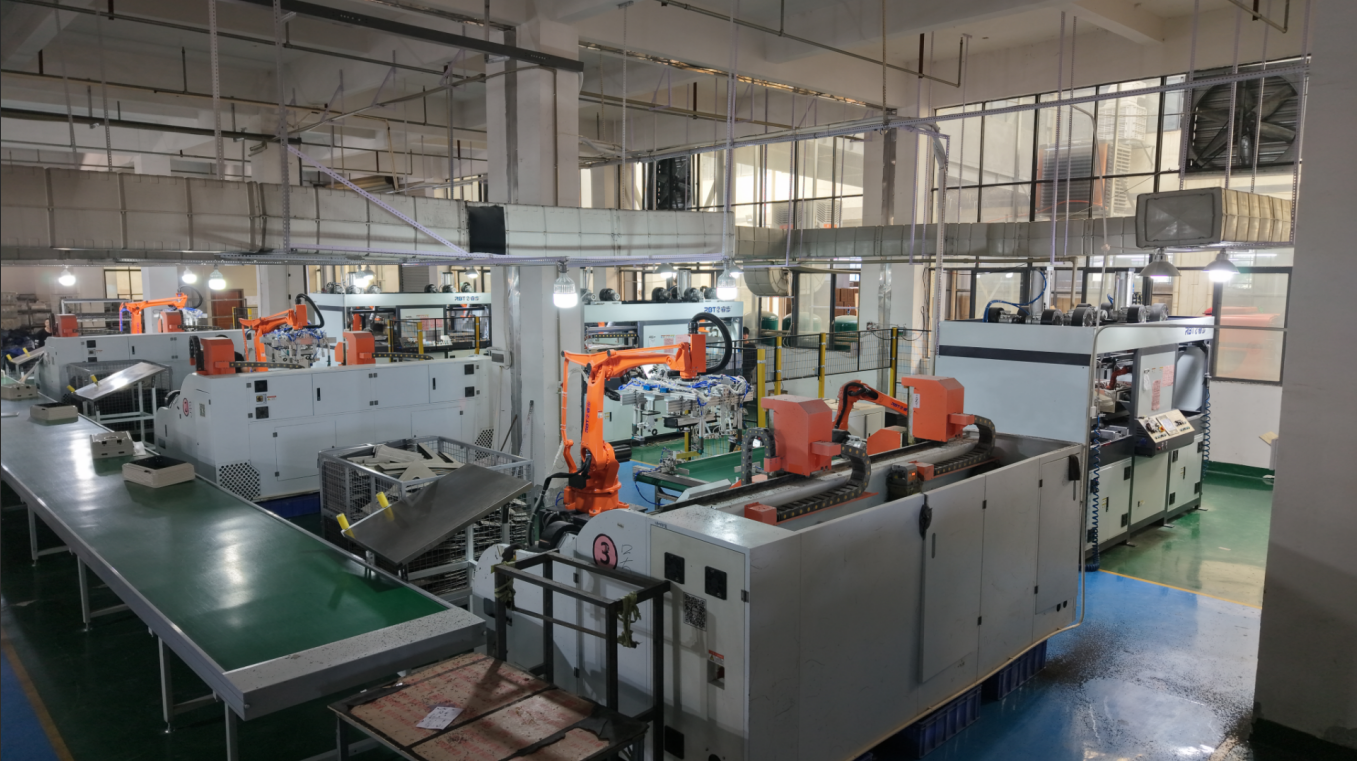
 3. Trimming and drilling
: Once cooled in the mold, the formed shells are trimmed of excess material and undergo further processing like drilling holes for handles and wheels.
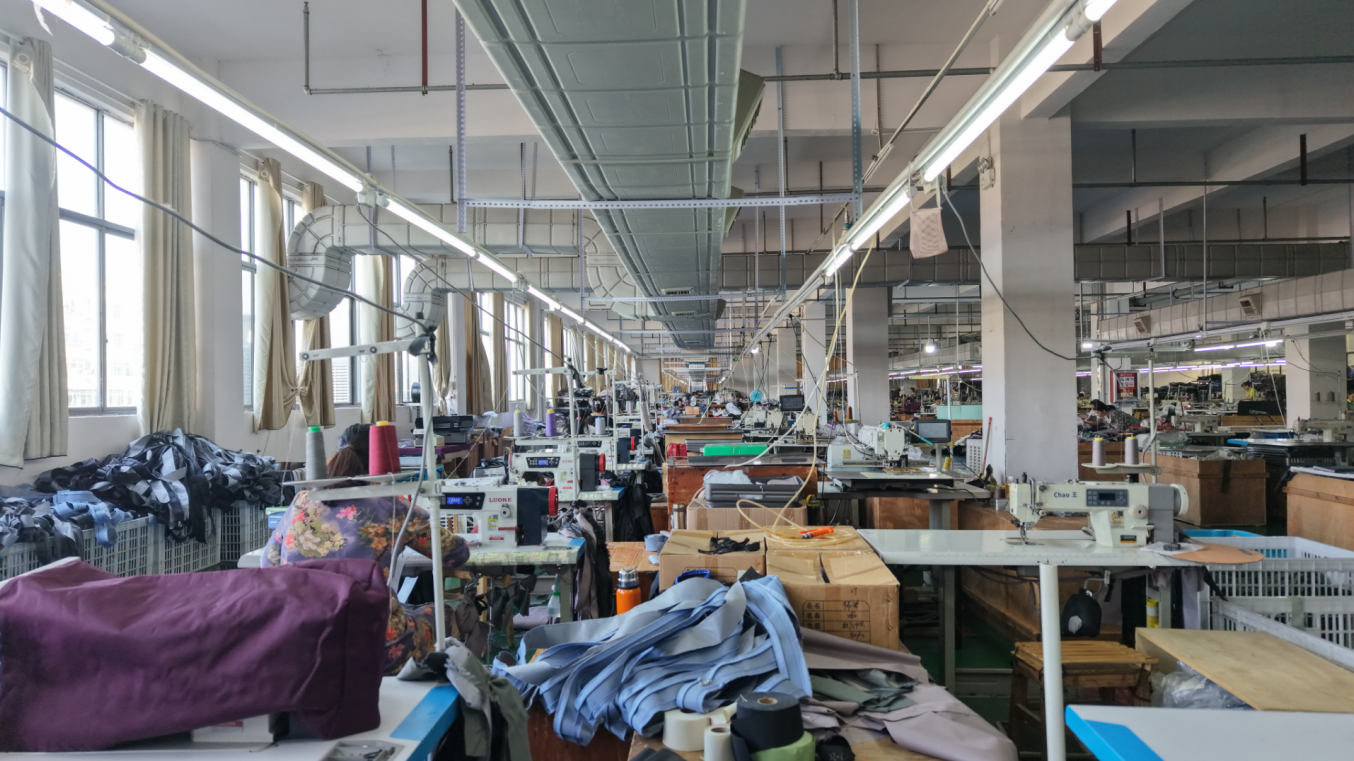
 4. Sewing.
Linings and zippers are seamed to make mesh pockets, U shape pockets.
 5. Assembly.
Finally, the various components (lining, zippers, handles, wheels, etc.) are assembled to complete the final product.
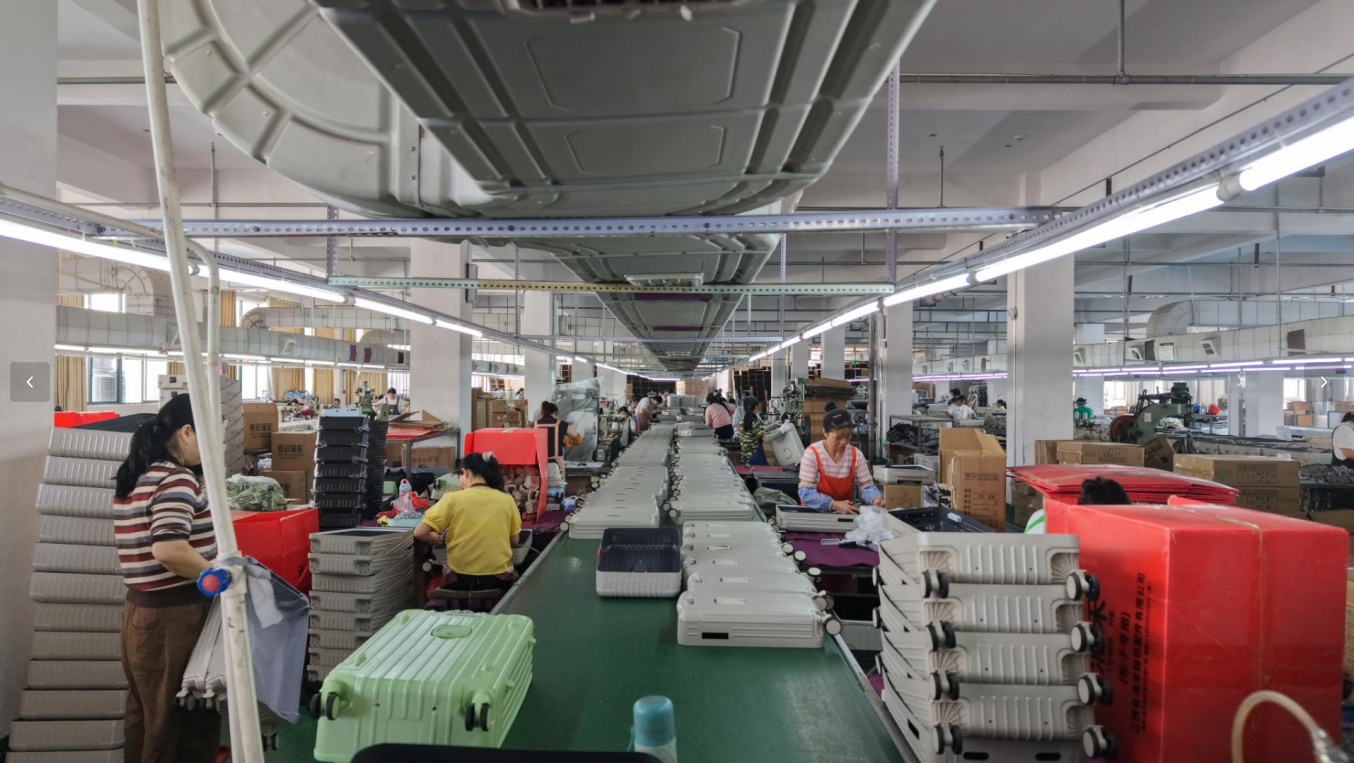
This multi-step process leverages the excellent impact resistance and lightweight properties of polycarbonate to create high-quality, durable luggage case.
